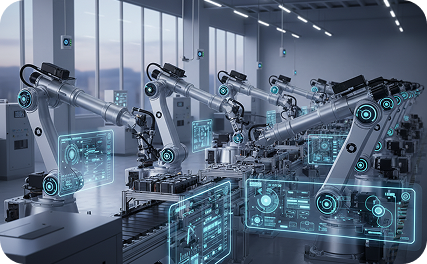



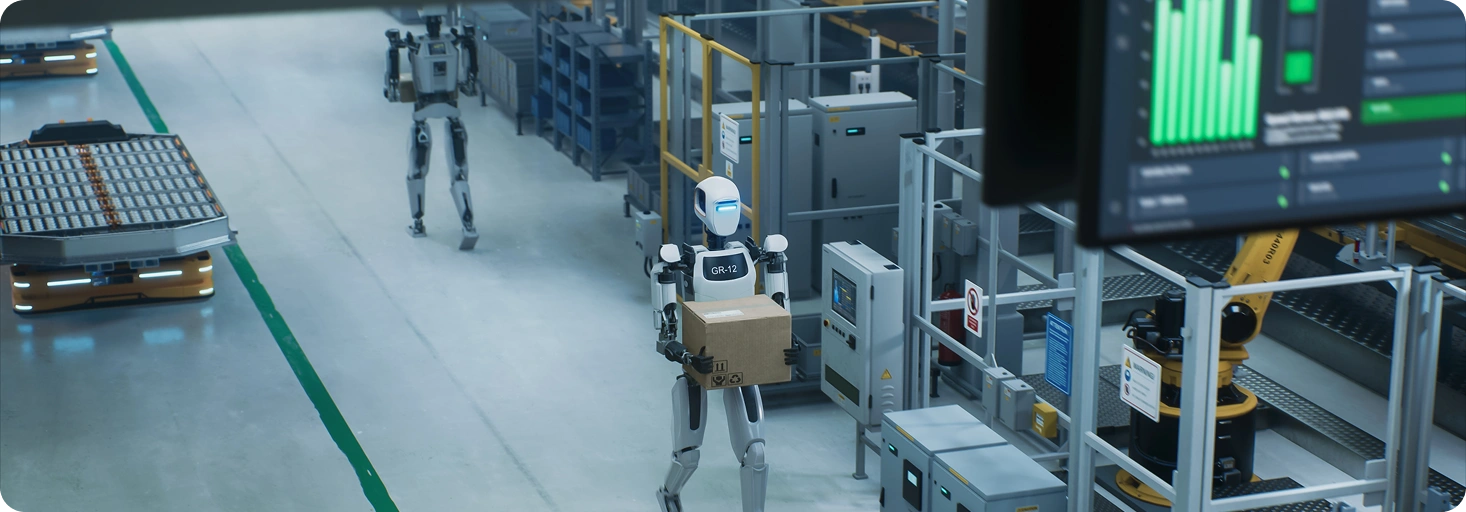
Manufacturing Automation & Smart Factories represent the transformation of traditional production environments into highly efficient, data-driven, and intelligent systems. By integrating advanced technologies such as robotics, artificial intelligence, the Internet of Things (IoT), and real-time data analytics, modern factories are able to optimize operations, reduce errors, and improve overall productivity. Automation replaces repetitive and labor-intensive tasks with precise, programmable machines, ensuring consistent quality and faster production cycles.
Smart factories go beyond basic automation by enabling interconnected machines, systems, and processes that can communicate and make decisions autonomously. Sensors and connected devices continuously collect data from every stage of production, allowing manufacturers to monitor performance, predict maintenance needs, and quickly respond to issues before they cause downtime. This results in lower operational costs, improved safety, and greater flexibility to adapt to changing market demands.
Additionally, manufacturing automation supports mass customization, enabling companies to produce personalized products without sacrificing efficiency. By leveraging digital twins, cloud platforms, and intelligent control systems, smart factories promote sustainability through reduced waste and optimized energy consumption. Overall, manufacturing automation and smart factories play a critical role in driving innovation, competitiveness, and long-term growth in today’s industrial landscape.